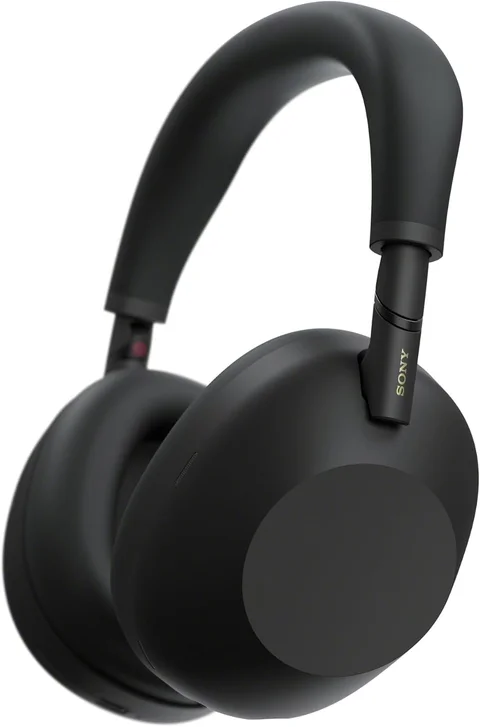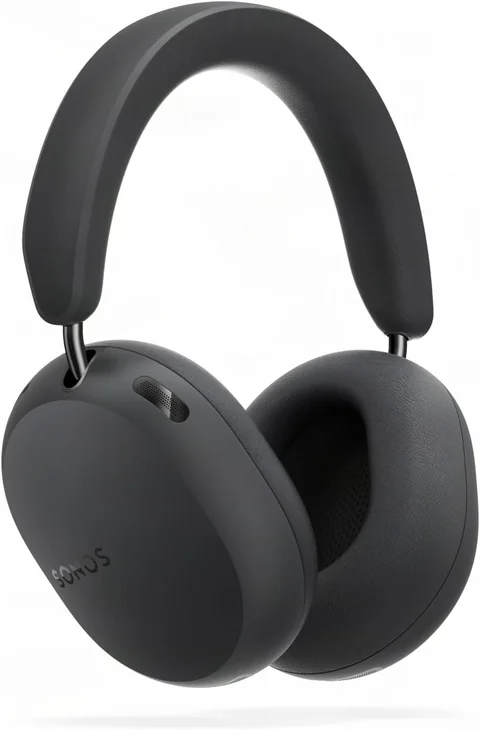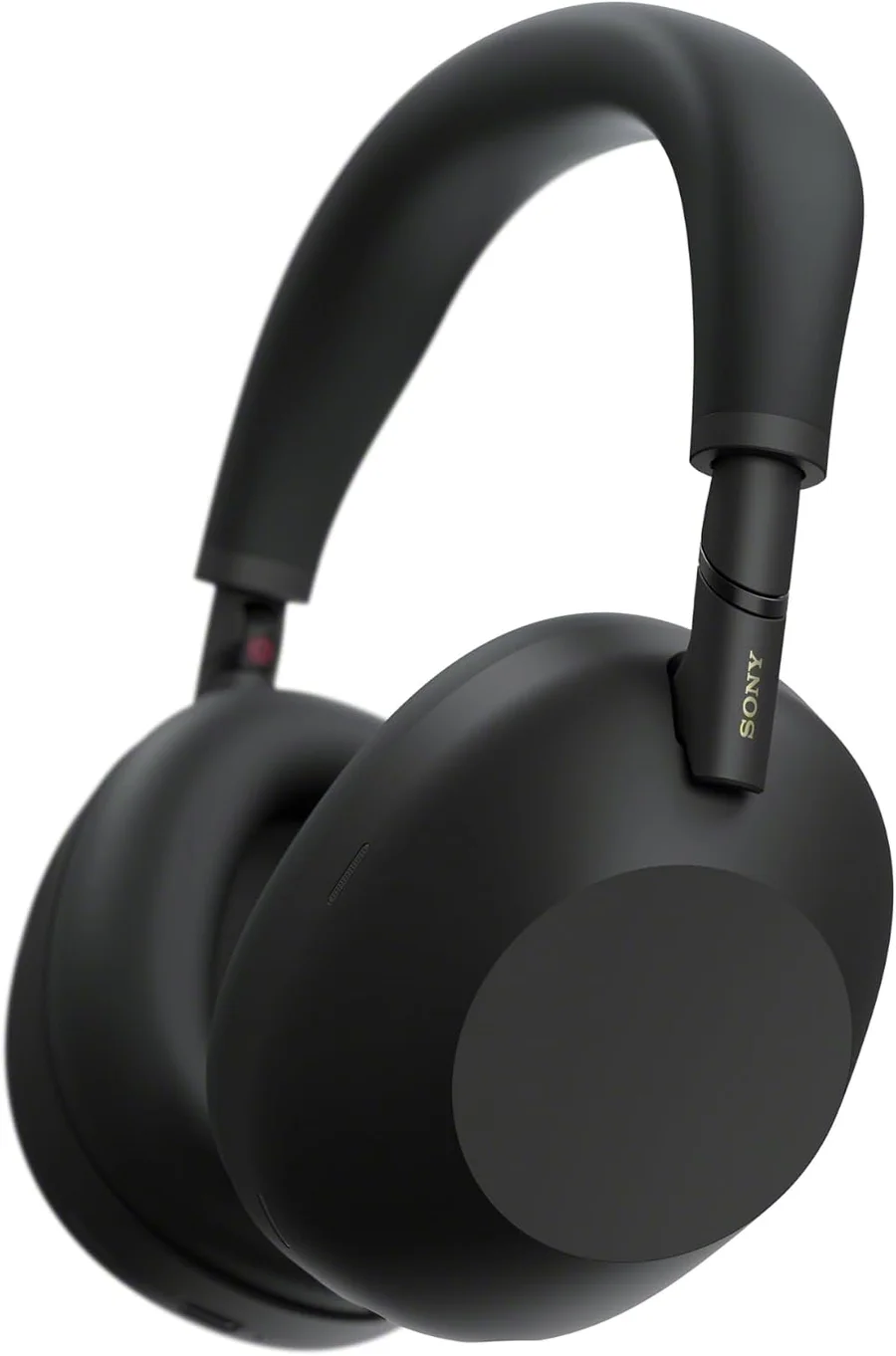
Choose the Sony WH-1000XM6 if you want a folding pair of noise-cancelling headphones primarily for your phone and laptop. Choose Sonos Ace Ultra if private listening through a compatible Sonos system is part of the purchase. That distinction is more useful than declaring a universal winner from microphone counts or codec names.
This comparison covers the Ace Ultra, not the original Ace. For the earlier model, read Sony XM6 vs Sonos Ace.
The differences that matter
| Decision | Sony WH-1000XM6 | Sonos Ace Ultra |
|---|---|---|
| Everyday sources | Bluetooth and analog cable | Bluetooth, USB-C audio, and analog cable |
| Claimed listening with ANC | Up to 30 hours | Up to 35 hours |
| Phone codec consideration | LDAC on compatible sources | aptX Lossless on compatible sources |
| Sonos home listening | No native Sonos Audio Swap | TV Audio Swap and headphone linking |
| Carrying | Folding design | Consider the supplied case and its space |
These are manufacturer specifications, not measurements from a shared battery or noise-cancellation test. Sony specifications and the Sonos product guide describe the supported connections and operating conditions.
Start with the room you listen in
For an office, commute, or flight, make a shortlist around fit, how you operate the controls, and your phone’s capabilities. A technically impressive codec does little for a device that does not support it. Sony’s folding construction is a concrete advantage to consider when bag space matters; it does not tell you which pair will fit your head better.
For the living room, Ace Ultra has a different job. TV Audio Swap moves television sound from a supported Sonos home-theater speaker to the headphones. Check the supported-speaker list before buying. Owning any product with a Sonos logo is not enough to establish compatibility.
If you do not own that equipment, include it in the decision. Buying a soundbar solely to unlock a headphone feature is a much larger purchase than choosing between two pairs of headphones.
Headphone linking has conditions
Ace Ultra can also link to supported Sonos products for home listening. However, Sonos lists restrictions: linking needs Wi-Fi, excludes certain input sources, and uses compressed stereo audio rather than lossless or spatial audio. Do not buy it expecting every Bluetooth, AirPlay, or directly controlled music stream to transfer seamlessly.
Write down your usual source first: the television, music started in the Sonos app, or music sent from another app. Then match that source to the supported feature. This small check prevents paying for an integration your routine cannot use.
Which is the better purchase?
Our source-based recommendation is Sony for buyers who want a portable general-purpose pair without a Sonos requirement. Ace Ultra becomes the more compelling option when its supported home integrations solve a problem you already have. USB-C digital listening is another reason to consider Sonos.
Compare current regional prices and return policies with each retailer, checking the exact headphone model. If comfort is uncertain, a useful return window can matter more than a modest price difference.
Frequently asked questions
Is Sonos Ace Ultra the same as Sonos Ace?
No. They are separate generations with different hardware and linking capabilities. See Ace vs Ace Ultra before treating a discounted Ace as an equivalent replacement.
Does Bluetooth lossless work with every phone?
No. The source device, headphone codec, service, and connection all matter. Neither LDAC nor aptX Lossless should be assumed to work on an arbitrary phone.
Which has better noise cancellation?
This guide does not establish a measured winner. Fit and test conditions matter, and manufacturer claims are not a controlled comparison. If ANC is the deciding factor, seek comparable independent measurements and try the fit.
Browse the Tech collection for the listed headphones.