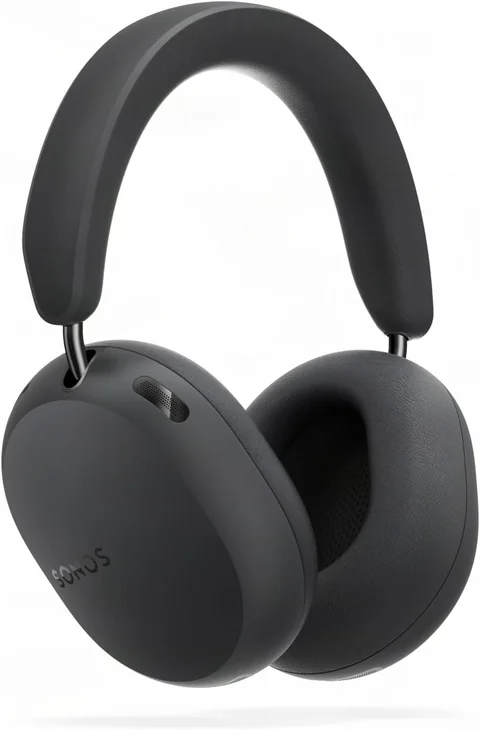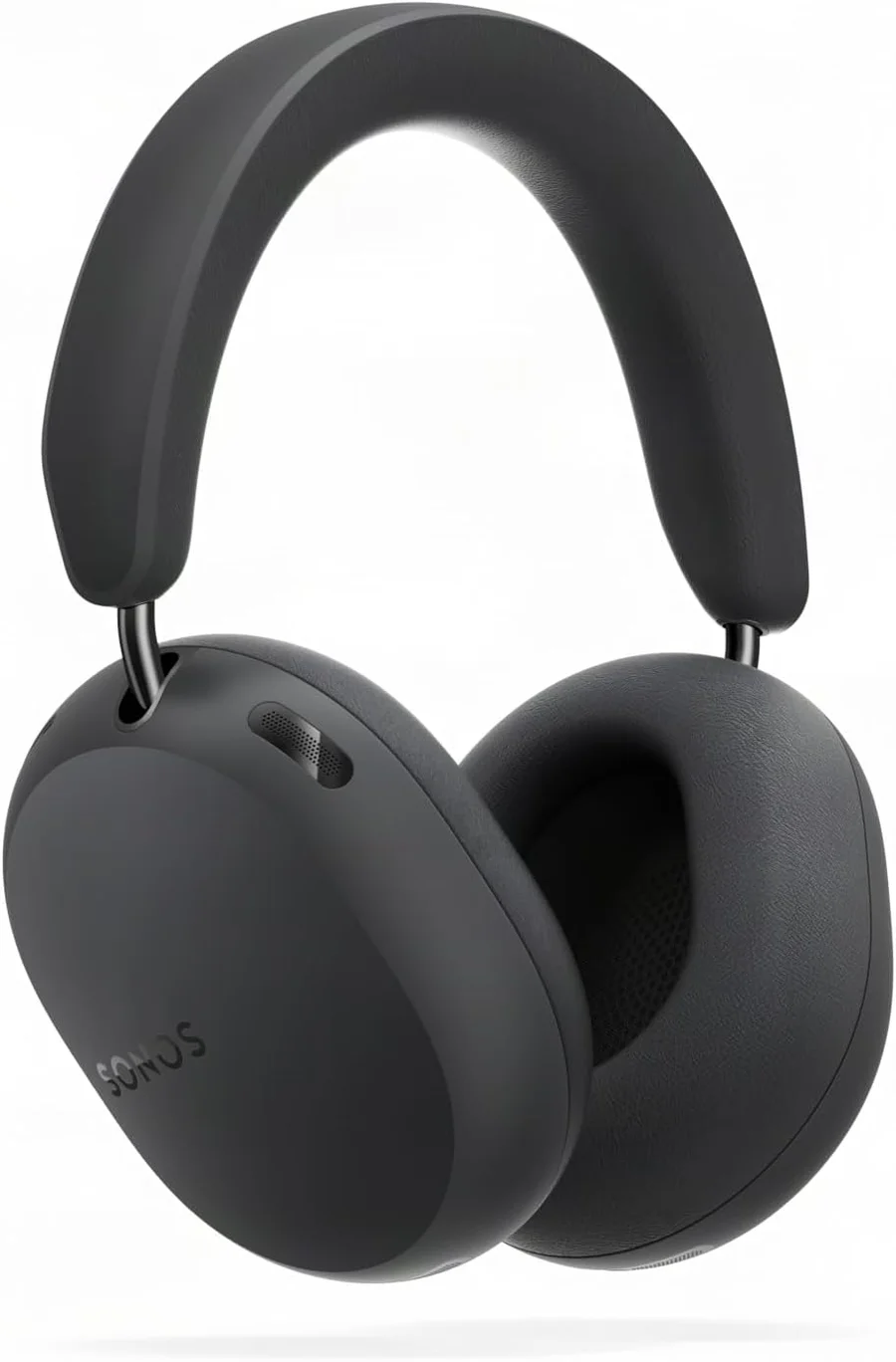
Keep your original Sonos Ace if Bluetooth music and its supported TV Audio Swap already meet your needs. Consider Ace Ultra if the newer home music linking is something you will actually use. For a first purchase, compare the current price difference against those features rather than treating the newer name as an automatic recommendation.
The Ace Ultra in our collection is a separate model. It should not be substituted silently into a comparison or shopping link for original Ace.
What changes between generations?
| Feature | Original Sonos Ace | Sonos Ace Ultra |
|---|---|---|
| Claimed listening with ANC | Up to 30 hours | Up to 35 hours |
| Supported private TV listening | TV Audio Swap | TV Audio Swap |
| Home music headphone linking | Not supported | Supported, with restrictions |
| Wired audio options | USB-C and analog | USB-C and analog |
| Generation-specific changes | Original hardware | Revised driver and adaptive ANC |
The original product guide and Ultra launch announcement document the model differences. The revised hardware does not, by itself, establish how much better Ultra will sound to you.
Music linking is the reason to investigate Ultra
Ultra’s headphone linking expands the relationship with supported Sonos products beyond television sound. Before spending money on it, read the known limitations.
The feature needs Wi-Fi. Certain sources, including Bluetooth, AirPlay, and specified directly controlled music streams, cannot be swapped through headphone linking. Linked music uses lossy stereo rather than lossless or spatial audio. The original Ace cannot gain the feature because Sonos says it depends on Ultra hardware.
These restrictions are useful buying information. If your regular session starts by sending music from another app, first check whether that route is supported. A feature that works only with a different listening routine may still be worthwhile, but make that change deliberately.
TV listening does not automatically require an upgrade
Both generations support TV Audio Swap with compatible Sonos home-theater speakers. Sonos’s compatibility list is more useful than assuming that a soundbar’s release year determines support.
If private television audio is your only Sonos-specific requirement and your original Ace already performs it reliably, the upgrade case is weaker. Write down what is missing before shopping: longer sessions, an unavailable music feature, or a problem with your current hardware.
It is also worth updating an existing pair before comparing behavior described in launch-day reviews. Features and supported devices can change through firmware; a review of the original launch state may not describe the product you own today.
Treat ANC and battery claims carefully
Sonos markets improvements to Ultra’s noise cancellation and specifies longer maximum listening time. Those are manufacturer claims, not results from a shared independent test in this guide. Battery duration depends on volume, source, settings, and the age of the battery.
For an existing owner, an extra claimed five hours may not change daily use if you charge every evening. For travel, it may matter more. Translate the specification into the length of your actual listening sessions before assigning it value.
Frequently asked questions
Does original Ace support TV Audio Swap?
Yes, with supported equipment and the required setup. Ultra is not the only generation with that feature.
Is headphone linking lossless?
No. Sonos describes a compressed stereo stream for that feature. Wired lossless audio is a different connection path.
What if I do not own Sonos speakers?
Then judge the headphones mainly as headphones. Compare Sony XM6 vs Ace Ultra and include fit, connectivity, and the current purchase price.