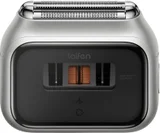
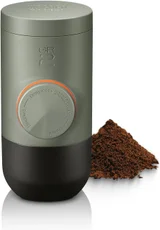
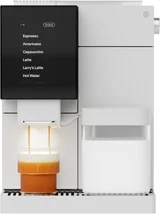









Choose a manual grinder if the effort fits your daily dose and you value a compact setup. Choose an electric grinder if you want to remove hand grinding from a routine with larger or repeated batches. The best starting point is the coffee you actually make on a busy morning.
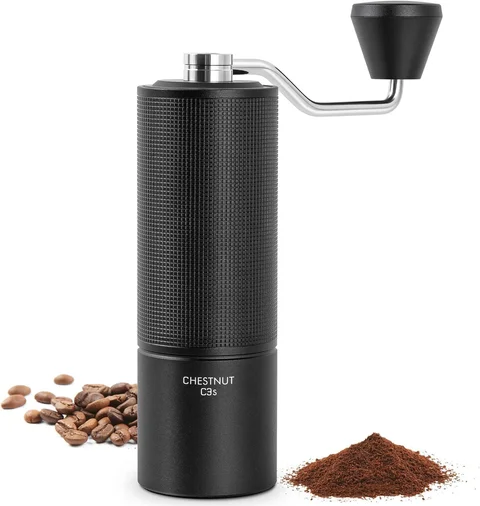
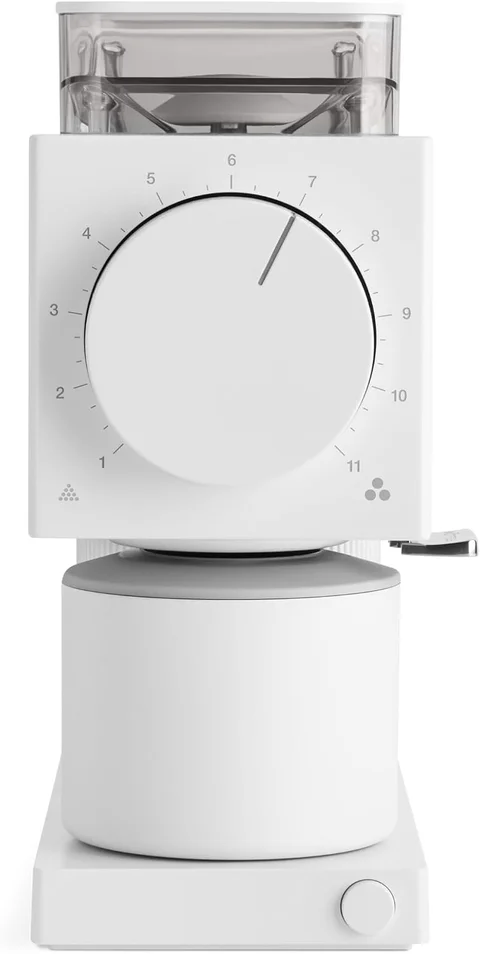
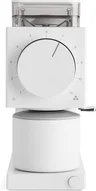
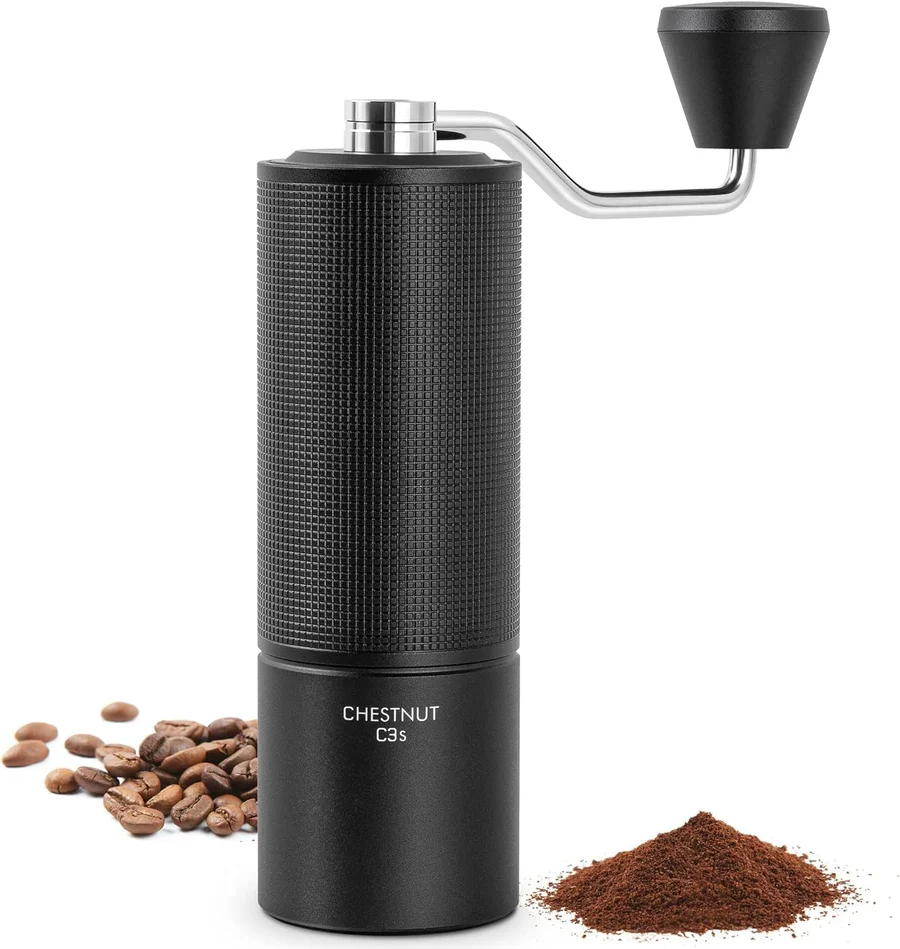
The TIMEMORE Chestnut C3S and Fellow Ode Gen 2 illustrate these choices. They are different products with different burrs and adjustment systems; comparing them does not isolate the effect of adding a motor.
Count doses, not just cups
| Daily requirement | Manual grinder | Electric grinder |
|---|---|---|
| One modest dose | Check that the effort suits you | Convenience may still be valuable |
| Coffee for several people | Consider refills and repeated grinding | Check capacity against the complete dose |
| Several brews each day | The effort repeats with every brew | The motor takes over that task |
| Brewing away from a socket | Can operate without electricity | Requires a suitable power arrangement |
| Limited storage | Include the handle and catch cup | Include counter space and electrical access |
Write down the grams of coffee in a normal brew and how often you make it. A grinder that accommodates one dose can still be inconvenient if you need three doses before breakfast. Conversely, a large electric grinder can be more equipment than you want beside a small manual brewer.
Try the movement before choosing the object
Hand grinding asks you to hold the body and turn the handle. That may be a pleasant minute in your routine, or the part you would most like to remove. Try grinding your usual beans at your usual setting if a demonstration is available.
Do not use a universal number of seconds to judge every hand grinder. Dose, beans, setting, and your technique can change the effort. If turning a crank is difficult or uncomfortable for you, convenience is a sufficient reason to consider an electric model even for one cup.
Electric grinding still involves preparation, loading, and clearing grounds. Think about sound, access to the catch cup, and the cleanup in the actual room where you brew. This guide does not make a measured noise or speed ranking.
Filter coffee and espresso need separate checks
Fellow explicitly says Ode Gen 2 is intended for brewed coffee and not espresso. Buying an electric grinder does not automatically give you an espresso setup.
Likewise, TIMEMORE’s C3 family documentation distinguishes standard, Pro, Max, and ESP variants, including different handles and adjustment systems. Verify the precise version and dose capacity rather than importing the family’s largest figure into every C3S listing. Espresso suitability requires checking the adjustment you need, not only whether a grinder can produce fine grounds.
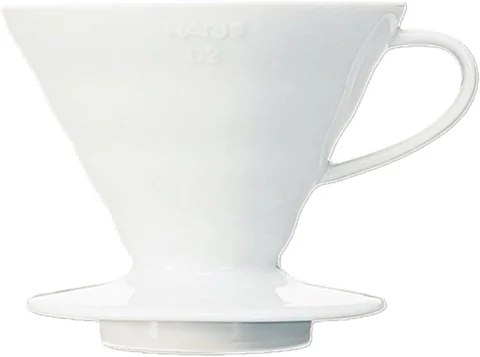
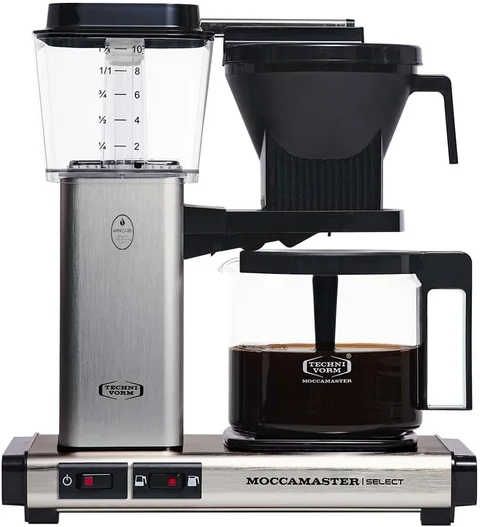
If espresso is the goal, our Ode versus Opus guide is a more relevant next comparison. If filter coffee is the goal, decide whether you prefer the V60 or batch-brewer routine before selecting the supporting grinder.
Keep the whole purchase in view
Check cleaning access, replacement parts, and the manufacturer’s care instructions. For an electric model, buy the correct voltage version for where it will be used. For a hand grinder, make sure it fits the cupboard or travel kit with its handle attached or stored as intended.
An upgrade is easiest to justify when you can name the inconvenience it removes. More convenient grinding, a needed adjustment range, or a capacity that fits your household are clear reasons. A motor by itself is not a tasting result.
Frequently asked questions
Does electric mean better coffee?
It describes how the grinder is driven. Assess the exact grinder’s capabilities and your brewing needs separately.
Is a hand grinder enough for a household?
It can be if the doses and repeated effort suit the person using it. Try the complete morning batch before deciding.