





wishlist.supply shows listings for Spain and the United States, and for many objects the difference is only the currency. Kitchen appliances are different. A toaster, coffee maker or air fryer is built for a particular mains supply, and the same product name can cover separate regional models or a single model sold far from where it was designed to be used. Read the electrical rating as carefully as the capacity or color.
The prices on our product pages are reference figures, not live offers. Check the listing itself for the version, seller and terms you would actually receive.
Two different mains supplies
The IEC’s world plugs reference lists Spain at 230 V and 50 Hz and the United States at 120 V and 60 Hz. An appliance designed for 120 V and connected to 230 V is operating far outside its rating and can be damaged or become unsafe, while a 230 V appliance will not work properly on 120 V.
Some products accept a range. Electrical Safety First explains that a dual-voltage appliance shows a range such as “INPUT: 110-240V” on its body or power supply. Do not assume a heating appliance accepts one; look for the range on the exact model.
A plug adapter changes the shape, not the voltage
A travel adapter lets a plug fit a different socket. It does not change the electricity itself. Electrical Safety First also notes that adapters carry their own maximum power rating and that some are unsuitable for appliances needing an earth connection.
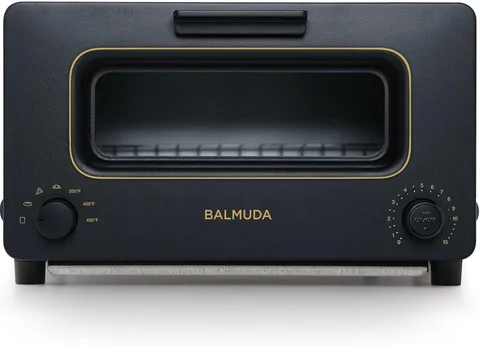
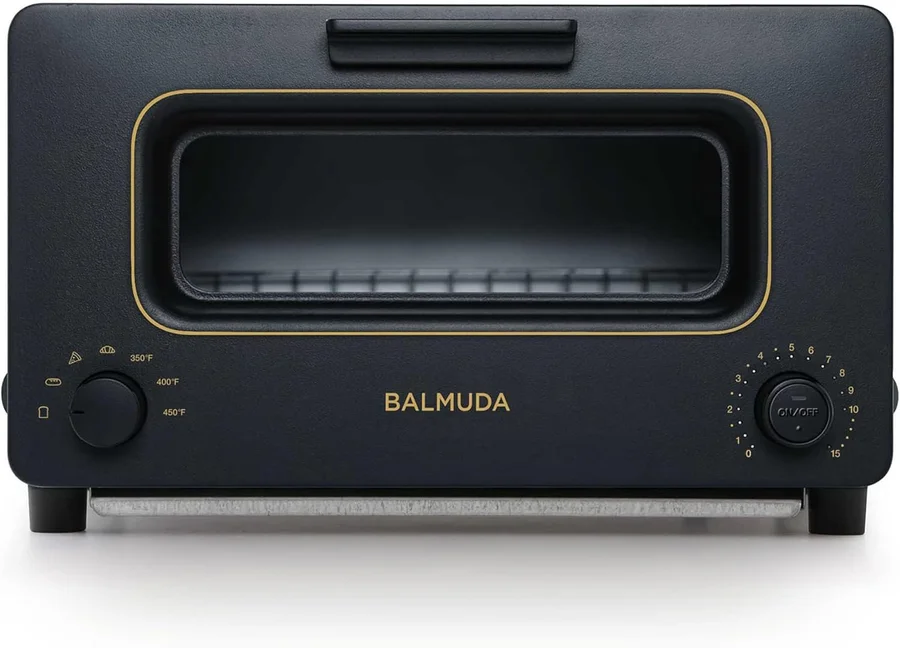
Changing the voltage requires a step-down transformer or converter, and for a kitchen appliance it must be rated comfortably above the appliance’s full wattage. These are not small loads: BALMUDA rates its US toaster at 1300 W, and the Spanish Aiden listing states 1700 W. A transformer also leaves the frequency unchanged, and Electrical Safety First warns that an appliance on a different frequency may work, but not properly. Motors and timing circuits are where that tends to matter. Rather than building a workaround for a heating appliance, it is usually simpler to choose a model made for your mains. This guide is not advice for a specific installation; if unsure, ask the manufacturer or a qualified electrician.
Warranty and service often stay in the country of sale
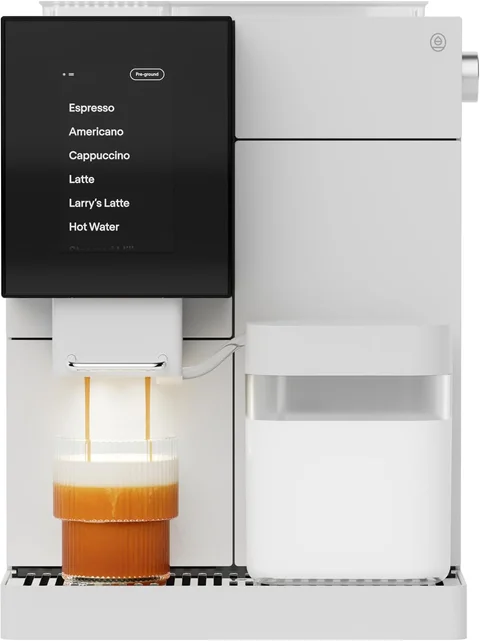
Electrical compatibility is only part of the question. Terra Kaffe’s support pages state that its machines are available exclusively in the US, and that machines sold or purchased outside the US cannot be serviced and have no warranty coverage. Its TK-02 specifications list 120 V and 60 Hz. The Spanish listing for the Terra Kaffe TK-02 is a third-party import, so a buyer in Spain would be relying on that seller rather than the manufacturer.
BALMUDA’s Japanese support pages make a similar point about its Japanese-market toasters: they are designed for Japan, and overseas use is not covered by warranty. The model we link, the BALMUDA The Toaster Black K01M-KG, is the US 120 V / 60 Hz version of the original toaster, not the newer Toaster Pro.
What to check on the listing
| What to check | Why it matters | Example in our collection |
|---|---|---|
| Voltage and frequency | They must match your mains or fall within a stated range | BALMUDA K01M-KG: 120 V / 60 Hz |
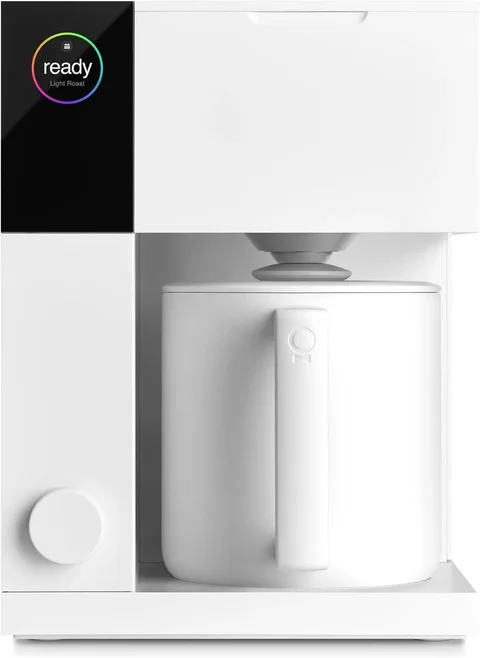
| Rated wattage | It sizes any converter and the load on your circuit | Aiden, Spanish listing: 1700 W |
| Model number against the spec table | A contradiction is a reason to ask the seller | Aiden: an “-EU” model number beside 120 V |
| Seller and warranty territory | Repairs may only be available in the country of sale | TK-02: no warranty or service outside the US |
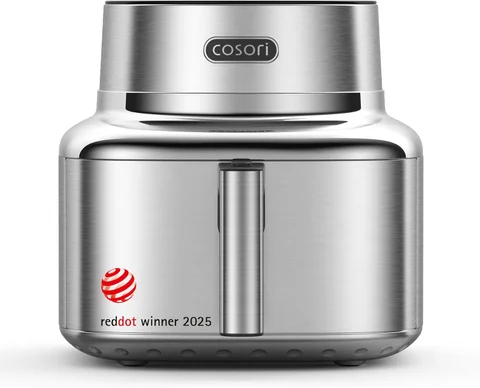
| Regional feature notes | One product name can behave differently by region | COSORI Spain: press Start on the appliance |
The Fellow Aiden shows why a single row is not enough. Its Spanish listing gives 120 V in its specifications while showing a model number ending in “-EU”. We cannot tell from the page which is correct, so confirm the rating before ordering for a 230 V kitchen.
The COSORI Iconic Single is the more straightforward case, with Spain and US links selecting 220-240 V and 120 V models. Even then, read the regional notes. The Spanish listing explains that, under IEC/EN 60335-2-9, cooking must be started with the appliance’s Start button because it cannot be started remotely. If app control is your reason for choosing it, know that before you buy.
When the local model is the better choice
If you love a design made only for another country’s mains, treat that as a real limitation rather than a puzzle to solve with accessories. Look for a local version, choose a different product, or wait. A converter, import costs and an unsupported warranty can add up to a worse ownership experience than a plainer appliance built for your kitchen, and an import only makes sense if you will use what makes it different every day. Our Aiden vs Moccamaster comparison and home espresso guide cover the coffee machines in more detail, and the Home collection gathers the rest.