You do not need to become an expert in someone’s hobby to give them a thoughtful gift. You need enough information to avoid making the part of the decision they care about most. Find out what they enjoy doing, what they already own, and which choice they would like to keep for themselves.
A precise suggestion from the recipient can still leave room for generosity: arranging the gift, choosing the moment, or adding something personal. Surprise is one possible pleasure of a gift, not a requirement that outweighs a useful choice.
Ask about a recent frustration
“What have you been using lately?” and “Is there a part of that setup you wish were different?” can reveal more than asking what the best product is. Listen for a concrete task: carrying cables, making coffee for visitors, or finding a comfortable notebook size.
If they mention an exact model, save the full name or link. Enthusiasts may care about an apparently small distinction because it changes how an object works. Asking for that detail is attention, not a failure of imagination.
The variant can be the gift
| Gift category | Detail to establish before ordering |
|---|---|
| Fountain pen | Nib size, filling system, and selected finish |
| Notebook | Page size, ruling, and preferred paper |
| Coffee equipment | Brew method, batch size, and electrical version where applicable |
| Keyboard | Layout, switches, and exact model generation |
| Pouch or organizer | The contents it needs to hold and size already owned |
For example, Kaweco offers several nib sizes for the Classic Sport; selecting the pen family alone leaves an important choice open. Our fountain-pen guide explains why that matters in daily use.
The same principle applies to upgrades. A person who enjoys their current keyboard may not want a newer one with different features. Our K2 versus K2 Pro comparison shows the sort of model distinction worth checking rather than guessing from a familiar name.
An adjacent object can work, with a check
An organizer, notebook, or useful supporting item can be easier to choose than the central tool of a hobby. It still needs a job. Ask what will go inside the pouch, how they use the notebook, or whether they already own the accessory.
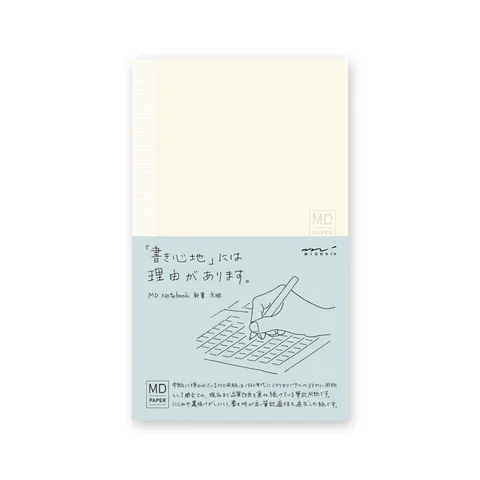
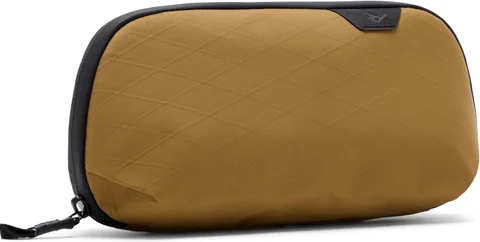
The Midori MD in our collection is a narrow grid notebook; that may suit pocket notes and disappoint someone wanting a broad sketching page. A small tech pouch needs to fit their chargers and cables. “Accessory” does not mean universally compatible.
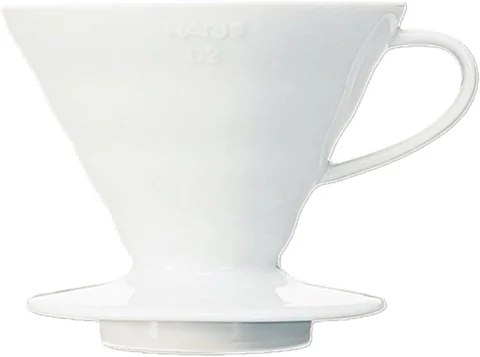
Likewise, coffee filters should match the brewer they actually use. A second V60 can be welcome if they want another location for brewing, but duplicate equipment needs a reason too.
Count the work that arrives with the box
A gift can bring refills, subscriptions, setup, or a new storage problem. Establish whether the recipient wants those responsibilities. A film camera, for example, is easier to enjoy when the route to development is clear; our first-film-camera guide walks through the complete process.
If the object needs another purchase before it works, decide whether to include that purchase or let the recipient choose it. Do not assume a listing’s photograph proves every pictured accessory is included. Read the contents of the selected bundle.
Preserve the recipient’s choice
When the preferred model remains unclear, offer to buy from their shortlist or choose a retailer they already use. Check that an exchange is actually available for the order and keep the relevant receipt. Avoid permanent personalization until you know they want that exact item.
Add a note about why you thought of them: the mornings they make coffee for friends, the sketches you love, or the project they have been talking about. That personal connection survives even when the technical specification comes directly from their wishlist.