A fountain pen becomes useful through repeated writing, refilling, and a little care. Its shape may attract you first, but the lasting choice is the routine you are willing to keep. Think about where you write, what goes on the page, and how often the pen leaves the desk.
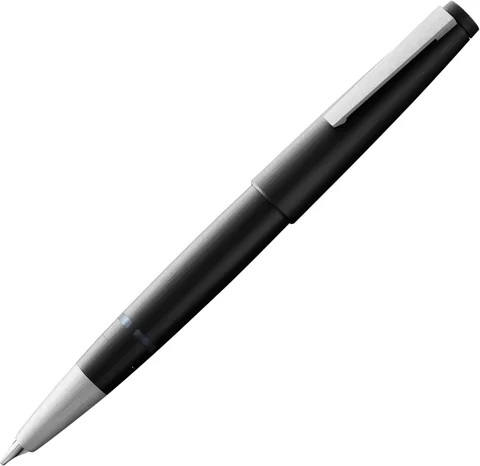
The Kaweco Classic Sport Black with a medium nib and LAMY 2000 Black with an OBB nib show two quite different combinations. They should not be treated as interchangeable ways to buy the same writing experience.
Start with the line you want
Write your usual words at your usual size. Try a list, a paragraph, and a few numbers. Look at spacing and legibility, then notice how the nib behaves at the angle you naturally hold the pen.
The selected Kaweco uses a medium nib. The selected LAMY’s OBB means oblique double broad, a deliberate choice for a generous line and an appropriate writing angle. LAMY’s nib guide distinguishes rounded, straight, and slanted nibs and recommends trying them for your handwriting.
A broader or more specialized nib can be enjoyable without being the best fit for small notes. If you want a fine line, choose that directly rather than buying the selected OBB because you like the LAMY 2000’s silhouette.
Filling is part of ownership
The Classic Sport can use cartridges, with a compatible mini converter as an optional route to bottled ink. Kaweco’s product page lists the converter and clips as accessories. Check what your seller actually includes.
The LAMY 2000 uses a piston-operated filling system, so bottled ink belongs in the setup. Decide whether filling at a desk suits you or whether replacing a cartridge better fits the way you travel.
Start with one suitable fountain-pen ink. Check the pen manufacturer’s guidance rather than choosing a bottle solely for its color. You can learn whether you enjoy the basic routine before collecting several inks and accessories.
Test the paper you already use
A pen demonstration on a shop’s paper does not establish how the same pen and ink will behave in your daily notebook. Try the combination on a spare page: inspect the line, the reverse of the sheet, and how long you need to wait before closing the book.
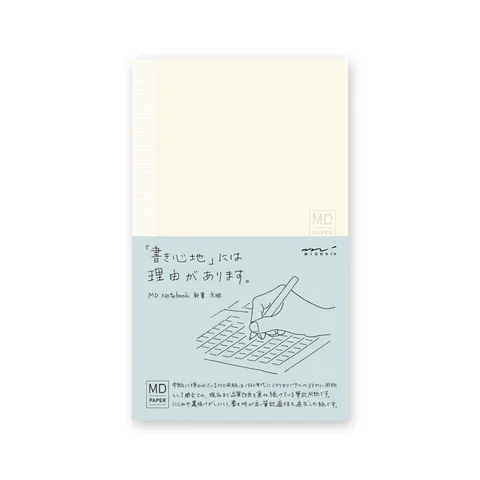
The Midori MD notebook in the collection offers a compact grid format, but it is still worth testing your chosen ink and nib. You may prefer a wider page, different ruling, or paper you already own. A pen should fit your writing materials as well as your hand.
Plan where it lives between sentences
A pocket pen and a desk pen have different carrying jobs. Kaweco describes the Sport’s short closed form and extended length with the cap posted. Try that arrangement before deciding whether it feels comfortable for a long page.
Give either pen a protected place in your bag and follow its instructions for capping and storage. A little care is easier to maintain when the pen, ink, and notebook have a regular home.
Leave room for maintenance
LAMY’s care guidance is a useful starting point for the selected LAMY. Use the instructions for your own pen and filling system before cleaning or disassembling anything. If you change inks or stop using the pen for a while, check the recommended procedure rather than letting a collection of pens sit unattended.
For a gift, nib choice and filling preference deserve the recipient’s input. A short conversation can make a design classic a well-used object instead of a beautiful pen that rarely leaves its box. Our guide to buying for an enthusiast offers a way to have that conversation without learning the whole hobby first.