









Before buying another piece of coffee equipment, finish this sentence: “I would make coffee more happily if…” The answer might be less hand grinding, a pot for two people, fewer things to clean, or a recipe you can repeat. Each points toward a different change.
“Better coffee gear” is too broad to guide a purchase. A useful upgrade should make a particular morning easier or give you a capability you actually want to use.
Keep a short record of ordinary mornings
For a few brews, note the coffee you used, the amounts, the grind setting if applicable, and what pleased or annoyed you. Use the brewer’s own recipe as a starting point if you do not have one. You are looking for a repeatable observation, not collecting measurements for their own sake.
If one cup disappoints, do not immediately assign the cause to the brewer. Look for what changed. If the coffee tastes acceptable but preparation feels tiresome, describe the task that tires you. Taste and convenience can justify different purchases.
Match the complaint to a change
| What keeps happening | Try before buying | Purchase to investigate if it persists |
|---|---|---|
| You cannot repeat a cup you liked | Record the recipe and keep preparation consistent | A measuring tool if your current tools make that difficult |
| Hand grinding puts you off brewing | Try your full daily dose and assess the effort | A suitable electric grinder |
| Serving several people requires repeated brews | Plan a batch within your brewer’s instructions | A batch brewer for the household’s amount |
| You dislike the active pouring | Try a simpler supported recipe | A brewer that handles water delivery |
| The setup crowds the counter | Remove unused accessories and rearrange storage | A smaller setup only if space remains a problem |
The table is a way to identify the next question. It does not diagnose every disappointing cup or promise that a particular purchase will fix it.
Keep changes small enough to understand
If you change the beans, recipe, grinder, and brewer together, it becomes difficult to say which change you liked. Keep a familiar starting point and alter one practical detail at a time.
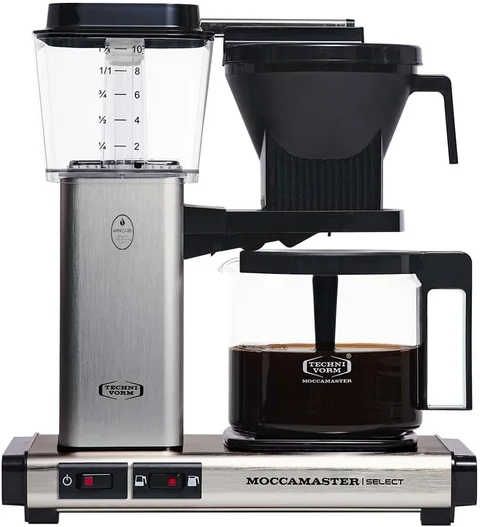
Maintenance deserves a check before replacement too. For example, Moccamaster’s FAQ gives separate cleaning and descaling instructions. Follow the documentation for your exact equipment. Do not assume the cleaning method for a brewer applies to a grinder or kettle.
An old item that still does its job may only need a compatible replacement part. Check what the manufacturer supplies before replacing the whole appliance.
A different routine may matter more than a specification
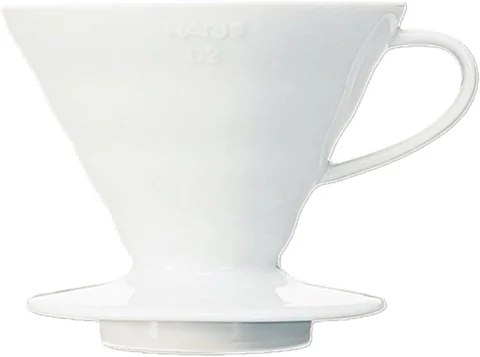
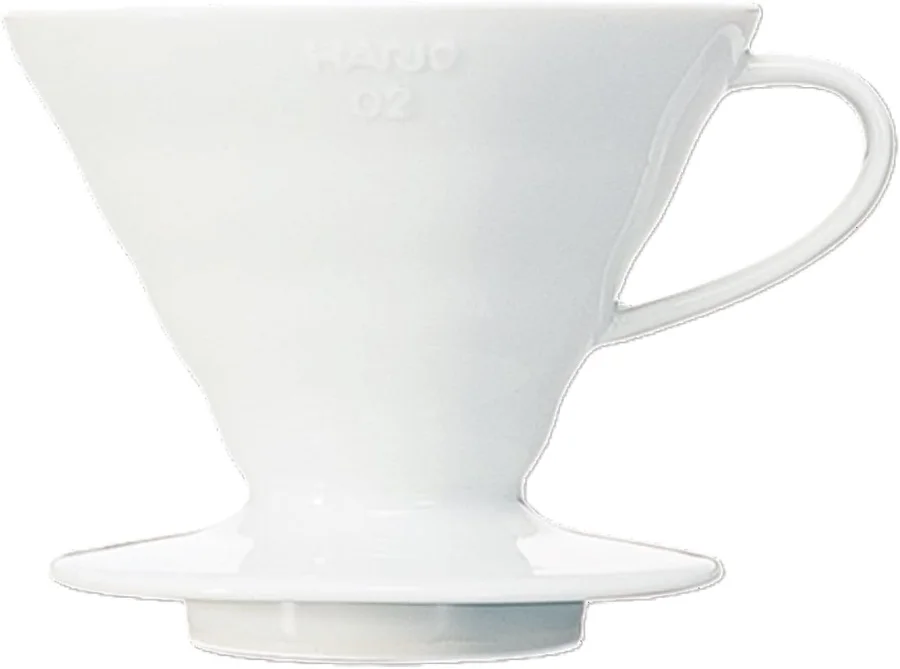
The V60 offers a hands-on brewing role. The Moccamaster KBG Select offers a shared-pot role with machine-delivered water. Our comparison of those routines is useful if the problem is attention or serving, rather than the appearance of the equipment.
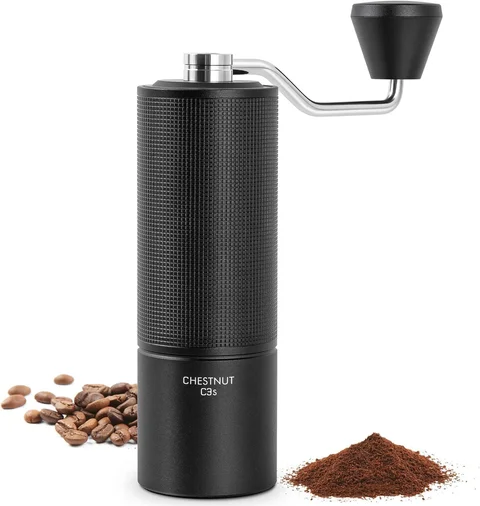
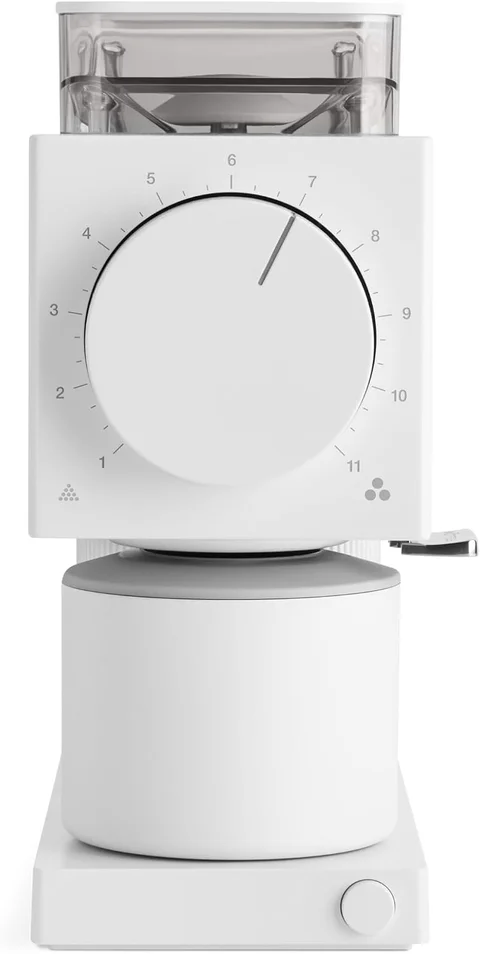
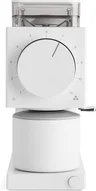
Similarly, moving from a TIMEMORE hand grinder to an electric model can remove repeated effort. Check the intended brewing method first: Fellow specifies Ode Gen 2 for brewed coffee, not espresso. Convenience is valuable when it fits the task.
Set a stopping point
Define the result you want before browsing: one pot everyone likes, less active preparation, or a setup you can put away after breakfast. When the routine achieves that result, there is no requirement to keep upgrading.
The Coffee collection is a place to find objects for an established need. It can also be a place to notice that you already have enough. Equipment should support a morning you enjoy, including the mornings when you would rather think about something else.